What are the factors that affect the filling accuracy in the filling system?
Release time:
2024-09-10 09:30
Source:
Filling machine, as an important equipment in modern manufacturing industry, its performance directly affects the quality of products and production efficiency. Among them, the filling accuracy is the key index to evaluate the performance, which is worthy of further discussion.
Filling accuracy is the primary factor in evaluating performance. High precision filling machine can effectively reduce the production of defective products, save raw materials and improve product quality. There are many factors that affect the filling accuracy, such as the design, manufacturing and assembly accuracy of the mechanical structure, the stability of the pneumatic system, and the selection of sensors. In addition, the operation and maintenance of the filling machine is also a key factor affecting the accuracy. In order to improve the filling accuracy, it is necessary to optimize the filling system error, random error and other aspects.
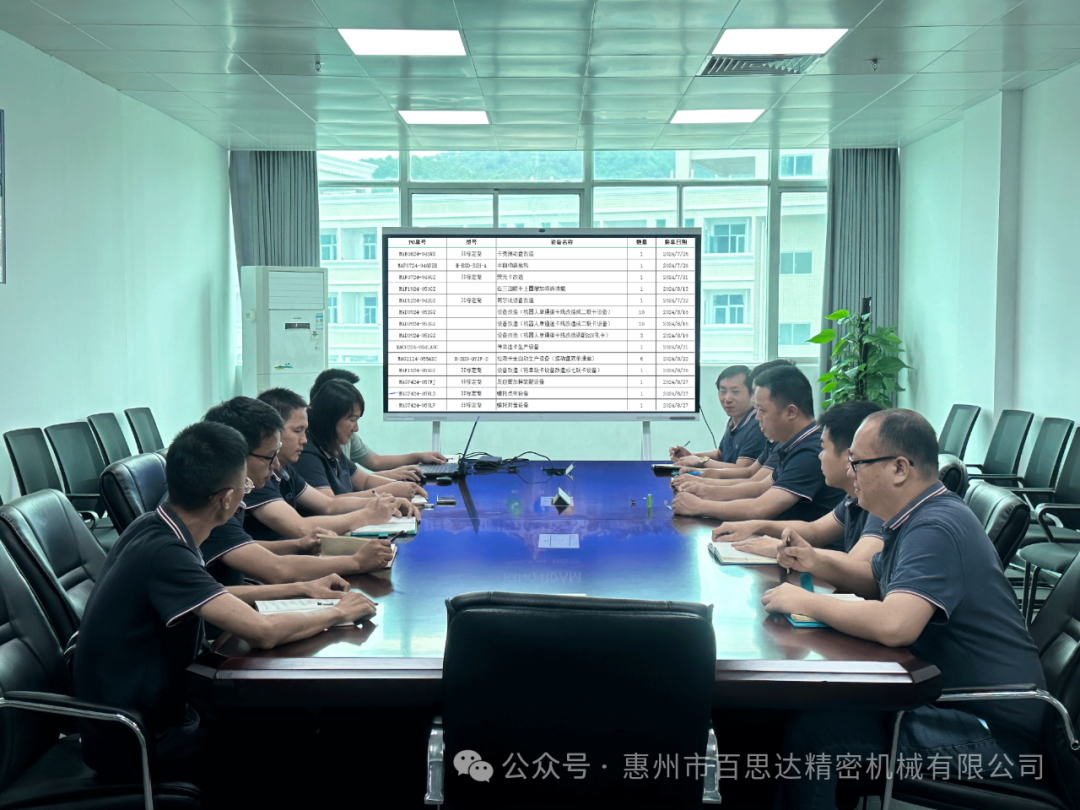
Our filling scheme has pipetting gun, peristaltic pump, plunger pump, ceramic pump and other filling modes. The following from the peristaltic pump filling case.
systematic error
Filling system settings:
The entire filling process is controlled by the filling system. Parameters such as target loading, warning value and correction value are set before filling. These parameters are of great significance to the filling process and product quality.
In the production process, in order to ensure that the liquid medicine is accurately injected into the vial, the speed control of the pump and the movement track of the filling needle are very important. Although both the filling needle and the vial are moving, they remain stationary in the horizontal direction and only move relative to each other in the vertical direction. The movement of the pump includes an acceleration phase, a constant speed phase, and a deceleration phase. In the acceleration stage, the liquid medicine is accelerated from 0 speed. If the filling needle is far away from the bottom of the bottle at this time, the liquid is affected by the pump force and gravity. When the liquid medicine contacts the bottom of the bottle, a reaction force will be generated, which may cause the liquid medicine to splash, or even splash out of the vial or adhere to the needle. At the beginning of filling, if the filling needle does not move relative to the bottom of the bottle, the liquid may flood the needle, resulting in a substandard filling volume. When approaching the end of filling, the pump starts to slow down until it stops. If the filling speed is too fast, the pressure in the hose is too high, which may cause dripping.
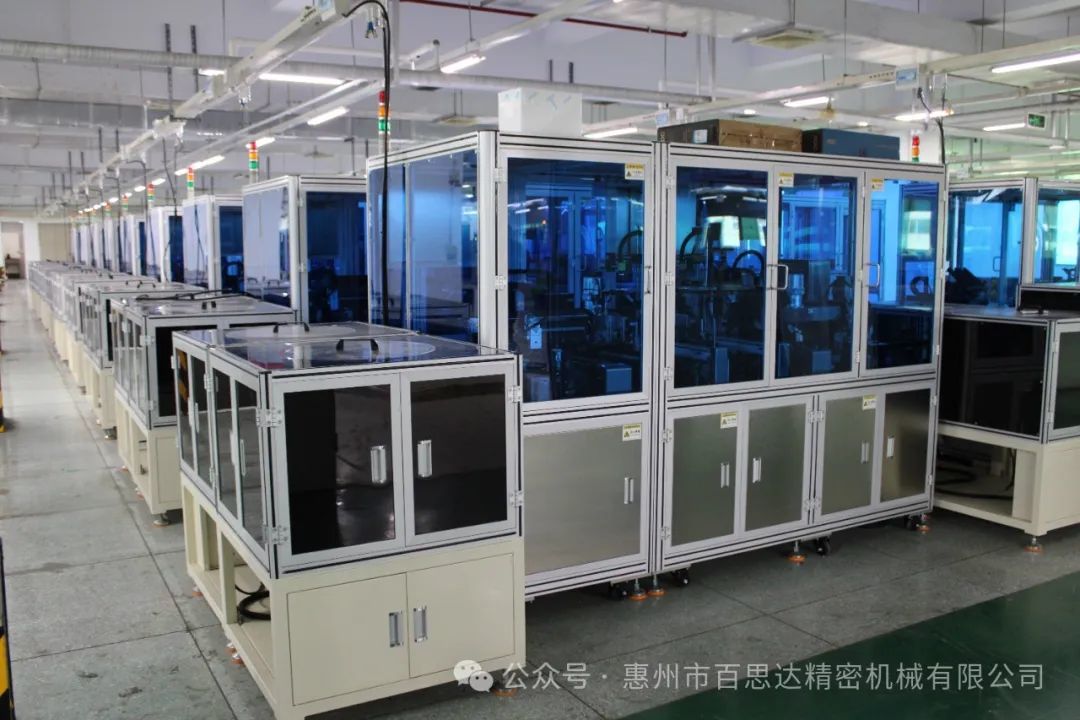
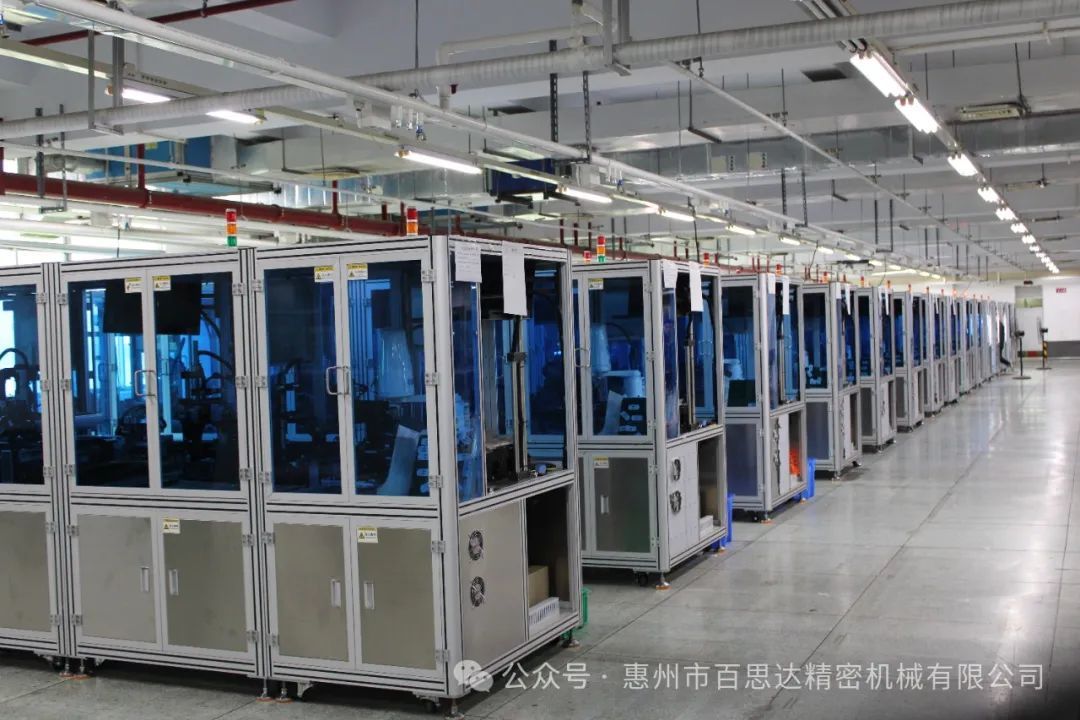
Online Weighing System Settings:
With the filling equipment of online weighing, real-time feedback control can be realized, the weighing result can be linked with the product filling process, and the filling deviation can be corrected in time. The main hardware of the online weighing control system includes IPC weighing, wireless communication module, high-precision scale, level conversion module, etc. The performance of the weighing module has an important impact on the weighing results. The filling accuracy of the plunger pump is usually stable, but the increase of bubbles in the liquid medicine bag, the change of liquid level, the wear of the hose connecting the filling pump, the running speed of the liquid medicine filling machine and other uncertain factors may lead to the inaccurate filling volume of the plunger pump after a period of operation. When the deviation exceeds the allowable range, the controller will adjust the displacement curve of the filling pump in real time to ensure the accuracy of the filling volume. The correction program setting of the online weighing system is the key. If the correction parameters are set properly, it can ensure that the piston displacement of the plunger pump is stable within a reasonable range, so as to achieve accurate filling. This helps to ensure the accuracy of the filling of each batch.
Filling pump wear:
The wear of the filling pump can easily lead to problems such as bubbles and poor air tightness during the filling process.
filling needle size and shape:
The inner diameter of the filling needle is matched with the inner diameter of the dosage pipeline, so as to prevent the resistance from increasing and the flow rate from being increased due to the small inner diameter of the needle, and the expansion occurs at the joint between the end of the hose and the needle tube. During the intermittent filling process, the liquid dripping is caused by the natural reset ash of the expanded part to squeeze the liquid out of the needle. At the same time, it is also necessary to avoid too large the inner diameter, which will cause the end of the end of the end.
random error
Length of pipeline and deformation of hose
The shape of the hose connected with the filling needle will increase with the number of times and time of use of the hose. After being squeezed, the circumference will increase, the wall thickness will become thinner, and the inner diameter will become larger, resulting in an increase in flow, resulting in high filling accuracy.
Intervention factors:
① Connect the pipeline. In daily production, the installation position of buffer bottle, dispenser, plunger pump and needle rack will have a certain impact. The height difference of the position of the liquid storage tank relative to the installation position of the peristaltic pump is too large, and the peristaltic pump is easily caused by the pressure of the liquid medicine to drip. The looseness of the assembly and connection of the filling pump, the filling needle and the hose connection before the filling starts will also produce bubbles or drips, thus affecting the filling accuracy.
② Operation failure. In the process of daily production, if the filling machine will have operation failure in the bottle feeding station and weighing station, for example, bottle frying failure occurs in the bottle feeding station and weighing tare station, bottle slag will splash to the IPC weighing station, and the operator will not clean up thoroughly, which will affect the subsequent weighing and thus affect the filling accuracy.
③ Differential pressure fluctuation. Inside the laminar flow isolator, the size of the wind pressure has a significant impact on the online weighing system. In the aseptic filling process, the weighing system is usually installed in the protective cover of the laminar flow fan. Once the fan is started, the wind pressure environment will change. If the wind pressure is too large or too small, the laminar pressure difference in the isolator will increase, resulting in fluctuations in the weighing value. This will make the reading of the weighing system unstable, which will affect the accuracy of online weighing. During the filling process, the controller needs to correct the displacement curve of the filling pump online, but the fluctuation of the fan frequency will cause errors in the weighing value, which will affect the filling accuracy.
The impact of vibration. Vibration during the filling process may have a negative effect on the filling accuracy. Vibration will change the flow of materials, but also interfere with the sensor misreading measurement, should be as far as possible to isolate or improve the source of vibration can be predicted.
Suction back setting
During the filling process, the back suction can be adjusted in time to avoid dripping. There is a close relationship between the suction back and the deceleration of the filling pump, the smaller the deceleration, the smaller the suction back, but set too large or too small will affect the suction back effect, too large may lead to bubbles, too small to achieve a good suction back effect.
Nowadays, the filling accuracy of the filling machine has been improved, but many factors still need to be considered. A good equipment should be designed and manufactured to reduce the risk of its own and external factors as much as possible. At the same time, it should not be ignored. The correct operation and stable environmental conditions will also greatly help ensure that the system achieves its expected accuracy. Our company will continue to promote technological innovation, improve filling accuracy and stability, and provide strong support for the development of customers.
Press recommend
On the first day of the event, Booth M49 in Hall 8.1 immediately entered “crowd mode.” Customers from all over the country in the IVD and medical consumables sectors flocked to the booth, creating a vibrant and energetic atmosphere.
Exhibition Preview | Bestar Invites You to Join Us at CMEF – Booth M49, Hall 8.1
As a leading industry benchmark in China’s medical device sector—boasting top-tier scale and far-reaching influence—the 2026 China International Medical Equipment Fair (CMEF) is set to open with great fanfare at the Shanghai National Exhibition and Convention Center. With more than a decade of deep expertise in the precision manufacturing of biomedical machinery, Baisida Precision Machinery, a nationally recognized high-tech enterprise, will once again make a major appearance at this premier industry event. The company will showcase five core, independently developed automated systems, comprehensively demonstrating its robust capabilities in IVD in vitro diagnostics and the precision manufacturing of medical consumables. We warmly invite industry peers, as well as new and existing customers, to visit our booth to explore emerging opportunities and discuss the future of the industry together.
On February 11, the second day of the 2026 Arab International Medical Laboratory Instruments and Equipment Exhibition (WHX Labs 2026) kicked off at the Dubai World Trade Center, and booth H3.B39—located in the heart of the exhibition hall—continued to gain momentum.
WHX Labs 2026 | The First Exhibition of the Year—A Wonderful Start
From February 10 to 13, 2026, the Arab International Medical Laboratory Instruments and Equipment Exhibition (WHX Labs) will grandly open at the Dubai World Trade Center in the United Arab Emirates. As the largest laboratory equipment event in the Middle East, this year’s exhibition brings together over 800 leading medical enterprises from more than 40 countries worldwide, once again highlighting its status as an authoritative benchmark for technological innovation and industry trends in the global IVD sector.
The packaging and bagging process for traditional medical anesthesia masks has long been plagued by four major issues: bags sticking together, difficulties in automated bag retrieval, high rates of bag damage during insertion, easy detachment of UDI codes, and uneven sealing strength leading to compromised air-tightness. Each defective mask packaging not only erodes the already slim profit margins of enterprises but also increases the risk of product traceability and reduces the yield of good-quality products every time a UDI code comes loose or a sealing failure occurs. Moreover, every single handling step further diminishes production capacity.
Time flies, and the first month of 2026 has quietly arrived, bringing with it the warmth of the New Year. Looking back at the year 2025 that we’ve just bid farewell, as the challenges and opportunities in the IVD industry have intertwined and settled over time, we’ve chosen to embark on a heartwarming journey of gratitude and growth in Ganzhou, the ancient Song Dynasty city steeped in history. This is not merely a simple trip; it’s a carefully planned reunion of souls—a chance for us to rediscover the true meaning of partnership and gather the strength needed to move forward, amidst the green bricks and dark-tiled roofs of this ancient city and atop the misty peaks of Sanbai Mountain. As all things embrace renewal, let us unite our energies and set forth together.

Building B1, Xinghe Artificial Intelligence Industrial Park, 333 Zhong Kai 6th Road, Chen Jiang Street, Zhong Kai High-tech Zone, Huizhou City, Guangdong Province
Camille +86 13825453633
Ron Huang +86 13310861859
+86-752-3880396
fangqiaoyuan@hzbestam.com
ron@hzbestam.com



©Huizhoucity Bestam Precision Machine Co., Ltd. COPYRIGHT 2024