How to choose the right robot in automated production
Release time:
2024-10-17 09:35
Source:
Today, the demand for automation is growing, and robots are becoming a key tool for improving efficiency and accuracy.
Many factories have relatively insufficient knowledge of robotics. Many factories are prone to fall into misunderstandings when introducing automation, such as thinking that full automation can be achieved only by purchasing a robotic arm. However, the robotic arm is only a basic component, and it is still a long way from a complete robot actuator.
Below we will share with you how to choose the right robot, analyze the gap between the robot arm and the complete robot system, and explore how to build an efficient automation system through reasonable design and integration.
The difference between a robotic arm and a robot
First, we need to clarify the difference between a robotic arm and a robot.
A robotic arm is an automated device designed to perform specific tasks. Its operation is based on pre-set procedures or inductive feedback mechanisms, and is suitable for highly repetitive tasks such as material handling and sample handling. In essence, it is a highly specialized tool.
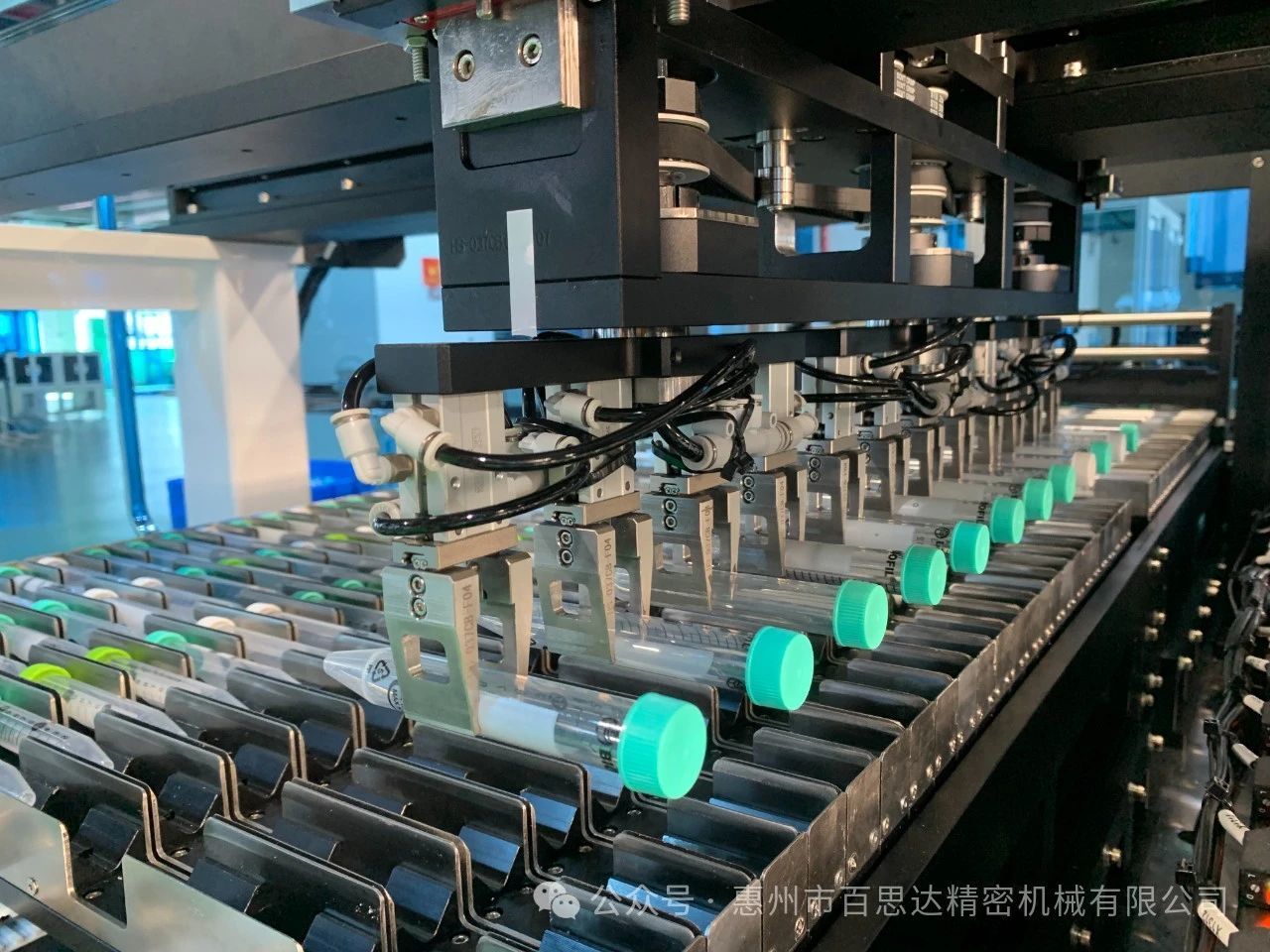
In contrast, robots are more complex, integrating multiple sets of components such as robotic arms, control systems, sensor systems and motion planning systems. They can not only complete predetermined tasks, but also adjust themselves according to environmental changes, which is suitable for more diverse Scenes.
How a robotic arm can be upgraded to a robot
From a robotic arm to a complete robotic actuator, there are still many key links to fill:
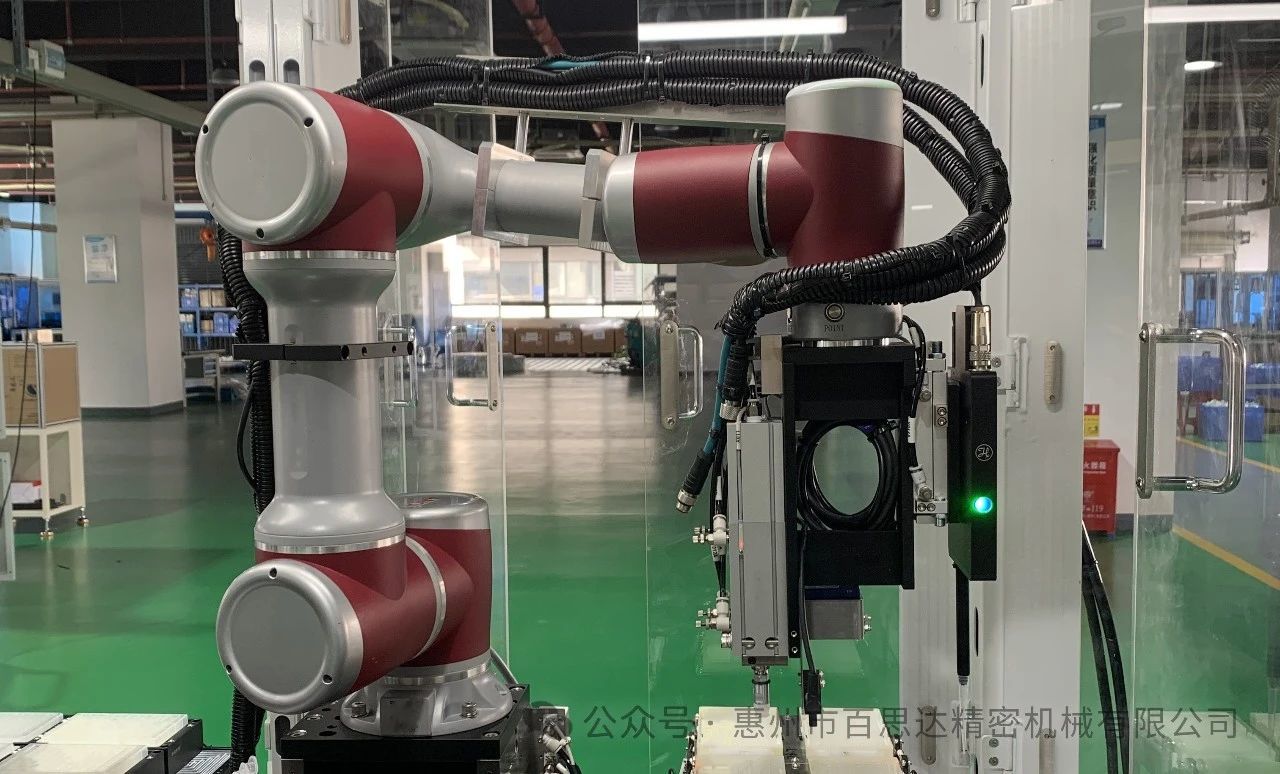
System integration:
In order to be a true robot, a robotic arm must be tightly integrated with multiple other subsystems-including control systems, sensor systems, motion planning systems, and more. The effective cooperation of each system is the key to ensure that the robot arm can accurately perform complex tasks.
Additional devices:
Robotic arms are often equipped with end effector such as grippers, grippers, and sometimes vision cameras and light sources to meet specific application needs. However, the custom design and manufacture of these accessories is usually beyond the scope of the robot arm manufacturer's service.
Support structure and motion system:
The robot arm needs a stable support structure to ensure the stability and range of motion of its operation. Many automation tasks also require additional moving structures, such as sliding rails or moving platforms.
Software and algorithms:
In order to achieve efficient operation in complex environments, the manipulator needs to be equipped with special software and intelligent algorithms. These algorithms are responsible for path planning, task scheduling, fault detection and self-correction to ensure their stable operation.
Debugging and optimization:
In order to ensure the performance of the robot arm in the actual operation to achieve the desired effect, it is necessary to carry out detailed debugging and optimization. This link is usually done by professionals, not within the scope provided by the robot arm manufacturer.
Important factors in choosing robots in factories
Task requirements:
When choosing a suitable robot, the specific application scenario should first be clarified. For example, high-precision robots may be required for precision tasks such as micro-liquid dispensing or fine sample handling, and load capacity and mobility may be considered when handling heavy objects or covering a wide area.
System integration capability:
Robotic arms are only part of the automation system. To realize a complete automation solution, system integration, additional device development, support structure design, and debugging and optimization are also required. Cooperation with professional automation integrators to ensure effective integration of individual components.
Price:
Within the budget, choose a robot system that is powerful but does not exceed the needs to ensure a reasonable return on investment.
The benefits of robots in production
A complete robotic system can bring many benefits in automation:
Increased efficiency:
Robots can perform repetitive tasks continuously and efficiently, thereby reducing manual labor time and costs, and significantly improving overall factory productivity.
Improve accuracy:
Precise control algorithms and feedback mechanisms are essential to ensure robot performance in high-precision tasks.
Reduce manpower dependence:
Robots can take on heavy, health-threatening and repetitive tasks, reducing the physical burden on employees and allowing them to focus on higher-value work.
Data collection and optimization:
Robots collect operational data in real time for plant process optimization and decision analysis, enhancing overall efficiency and accuracy. Choosing the right robotic system takes into account the actual needs of the plant, space constraints and system integration capabilities, as well as the budget. In view of the low level of understanding of robotics in factories, factories should pay special attention when selecting and manufacturing robots.
Work with professional automation integrators to ensure an efficient automation system. Through proper selection and design, the factory can greatly improve work efficiency, accuracy and flexibility, and move towards a more intelligent future.
Press recommend
On the first day of the event, Booth M49 in Hall 8.1 immediately entered “crowd mode.” Customers from all over the country in the IVD and medical consumables sectors flocked to the booth, creating a vibrant and energetic atmosphere.
Exhibition Preview | Bestar Invites You to Join Us at CMEF – Booth M49, Hall 8.1
As a leading industry benchmark in China’s medical device sector—boasting top-tier scale and far-reaching influence—the 2026 China International Medical Equipment Fair (CMEF) is set to open with great fanfare at the Shanghai National Exhibition and Convention Center. With more than a decade of deep expertise in the precision manufacturing of biomedical machinery, Baisida Precision Machinery, a nationally recognized high-tech enterprise, will once again make a major appearance at this premier industry event. The company will showcase five core, independently developed automated systems, comprehensively demonstrating its robust capabilities in IVD in vitro diagnostics and the precision manufacturing of medical consumables. We warmly invite industry peers, as well as new and existing customers, to visit our booth to explore emerging opportunities and discuss the future of the industry together.
On February 11, the second day of the 2026 Arab International Medical Laboratory Instruments and Equipment Exhibition (WHX Labs 2026) kicked off at the Dubai World Trade Center, and booth H3.B39—located in the heart of the exhibition hall—continued to gain momentum.
WHX Labs 2026 | The First Exhibition of the Year—A Wonderful Start
From February 10 to 13, 2026, the Arab International Medical Laboratory Instruments and Equipment Exhibition (WHX Labs) will grandly open at the Dubai World Trade Center in the United Arab Emirates. As the largest laboratory equipment event in the Middle East, this year’s exhibition brings together over 800 leading medical enterprises from more than 40 countries worldwide, once again highlighting its status as an authoritative benchmark for technological innovation and industry trends in the global IVD sector.
The packaging and bagging process for traditional medical anesthesia masks has long been plagued by four major issues: bags sticking together, difficulties in automated bag retrieval, high rates of bag damage during insertion, easy detachment of UDI codes, and uneven sealing strength leading to compromised air-tightness. Each defective mask packaging not only erodes the already slim profit margins of enterprises but also increases the risk of product traceability and reduces the yield of good-quality products every time a UDI code comes loose or a sealing failure occurs. Moreover, every single handling step further diminishes production capacity.
Time flies, and the first month of 2026 has quietly arrived, bringing with it the warmth of the New Year. Looking back at the year 2025 that we’ve just bid farewell, as the challenges and opportunities in the IVD industry have intertwined and settled over time, we’ve chosen to embark on a heartwarming journey of gratitude and growth in Ganzhou, the ancient Song Dynasty city steeped in history. This is not merely a simple trip; it’s a carefully planned reunion of souls—a chance for us to rediscover the true meaning of partnership and gather the strength needed to move forward, amidst the green bricks and dark-tiled roofs of this ancient city and atop the misty peaks of Sanbai Mountain. As all things embrace renewal, let us unite our energies and set forth together.

Building B1, Xinghe Artificial Intelligence Industrial Park, 333 Zhong Kai 6th Road, Chen Jiang Street, Zhong Kai High-tech Zone, Huizhou City, Guangdong Province
Camille +86 13825453633
Ron Huang +86 13310861859
+86-752-3880396
fangqiaoyuan@hzbestam.com
ron@hzbestam.com



©Huizhoucity Bestam Precision Machine Co., Ltd. COPYRIGHT 2024